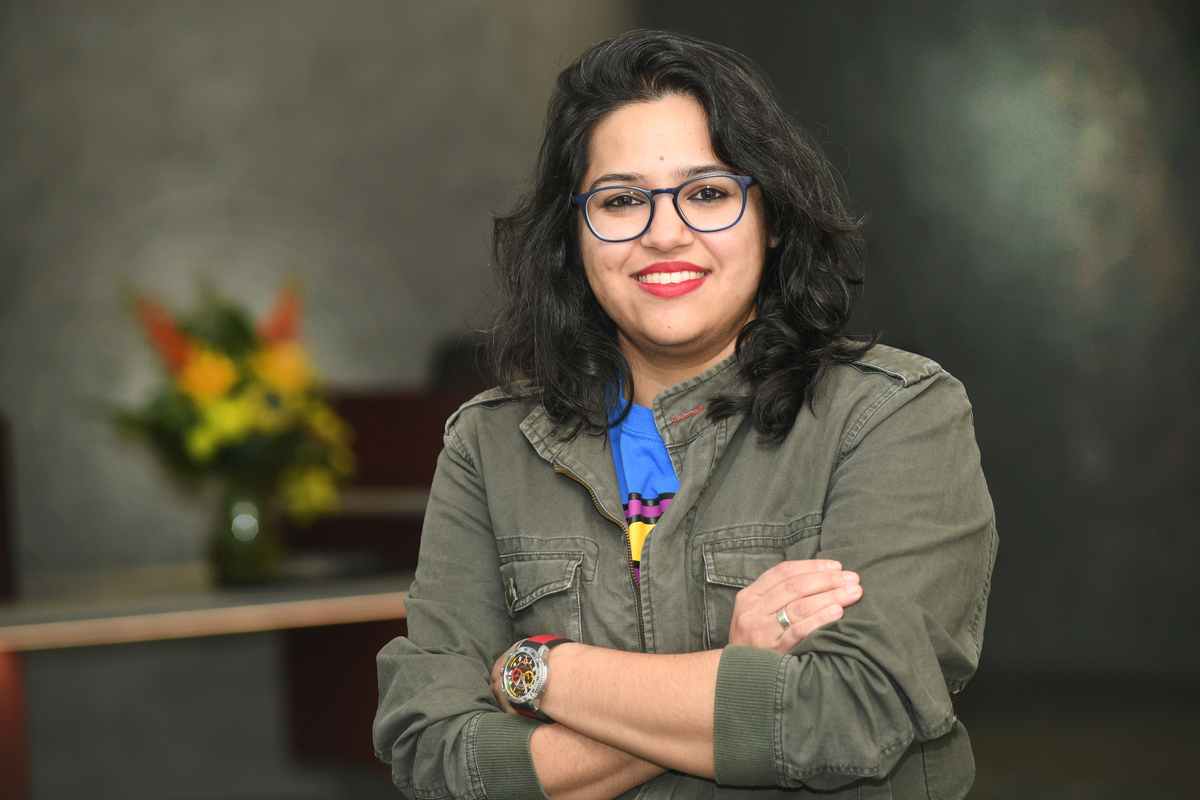
In this Executive Insight, Noor Syed reflects on how technology, when designed with intention, can restore dignity, expand opportunity, and create a genuine sense of belonging. Drawing on her work at Microsoft and her lived experience as a leader, mentor, and advocate, Noor shares thoughtful perspectives on inclusive education, the transformative power of mentorship, representation in leadership, and the responsibility today’s leaders have to inspire the next generation. Her insights remind us that meaningful progress in technology is not just about innovation, but about humanity, courage, and designing systems where everyone can thrive.
Championing Educational Transformation: From your vantage point at Microsoft, how do you see technology shaping the future of education, particularly in creating more inclusive and equitable learning environments?
From where I stand, the radical promise of technology in education is dignity, ensuring that every learner, regardless of postcode, ability, or identity, feels seen, capable, and valued. Technology should bend to the learner, not the other way around. When accessibility becomes the default through capabilities like captions, translation, Immersive Reader, and Read Aloud, support shifts from being an “accommodation” to a standard. That is when barriers begin to dissolve and factors such as disability, language, or background stop predicting outcomes.
AI then has the power to personalise learning pathways, adapting content, pacing, and feedback in ways that are built on secure identity and well-governed data. This gives teachers back time for what only humans can do best: building relationships, nurturing creativity, and sparking curiosity. Students, meanwhile, receive timely, bias-aware support that helps them learn with confidence and a sense of belonging.
At Microsoft, this vision underpins everything we do, using technology to amplify human connection rather than replace it. When inclusion is designed from the start, belonging is engineered rather than assumed. To me, that is the true transformation of education: technology restoring dignity to learning and ensuring that everyone, everywhere, has the tools and the belief to shape their own future.
The Power of Mentorship: You’ve been a strong advocate for mentorship both as a mentor and a mentee. In your experience, what are the key qualities that make mentorship truly impactful in advancing careers and personal growth?
For me, mentorship is one of the most human things we can offer each other. The mentors who shaped me didn’t just give advice, they helped me see myself more clearly. They asked the right questions, held up a mirror when I needed it, and reminded me that growth is rarely comfortable but always worth it.
When I mentor others, I focus on three things. Presence, showing up with authenticity, listening deeply, and sharing my own vulnerabilities so people can relate. When you are honest about your struggles, you become an ambassador of hope, proof that it is possible to stumble and still rise stronger. Kind honesty, being truthful while leading with compassion. And empowerment, helping someone discover their own voice rather than echoing mine.
The best mentorships are reciprocal. My mentees teach me just as much about courage, curiosity, and purpose as I offer them. Ultimately, mentorship is not about hierarchy or titles. It is about creating a space where someone feels seen, safe, and inspired to grow. It is about passing on belief, so even when self doubt creeps in, there is still that quiet inner voice saying, you can do this.
Representation in Leadership: Representation is more than just numbers; it’s about influence and visibility. How do you believe representation in leadership roles impacts innovation and decision-making in the tech industry?
When I first stepped into leadership, I remember walking into rooms where no one looked or sounded like me. I was represented, but not yet included. That is when I learned that representation opens the door, inclusion gives you a voice, and influence lets you reshape the room itself.
In tech, that distinction matters. Representation without influence is visibility without power. Real innovation happens when diverse leaders do not just sit at the table, but help define how the table works, bringing not only their identities but their lived experiences and ways of thinking. That diversity of perspective challenges assumptions, reduces blind spots, and leads to more thoughtful, resilient decision-making.
I have seen this impact firsthand. When leaders from different backgrounds are empowered to contribute fully, the technology we build reflects humanity, not just efficiency. The most meaningful solutions often come from those who notice what others overlook.
For me, visibility in leadership carries responsibility. It means using influence to amplify others and to signal to those watching that they belong too. Representation is the starting point. Inclusion, influence, and the courage to think differently are what transform it into lasting innovation.
Overcoming Barriers: What challenges have you personally faced in your career journey regarding diversity and inclusion, and how have those experiences shaped your leadership philosophy?
Early in my career, I often felt the quiet weight of being “the only one” , the only woman, the only person of colour, the only LGBTQIA+ person in the room. I learned quickly that diversity is not just about being invited into spaces; it is about being genuinely heard once you are there.
There were moments when I doubted my voice, softened my ideas to fit in, or felt the pressure of representation, as though I had to speak for everyone like me. Over time, those experiences became formative. They taught me that shrinking yourself to belong comes at a cost, and that real leadership means creating spaces where no one else has to do that.
This is why mentoring women and LGBTQIA+ talent in tech is so important to me. I want people to see that you can lead as yourself, not in spite of who you are. When individuals feel safe and seen, they bring their full creativity and perspective to the table, and that is where true diversity of thought thrives.
The barriers I encountered shaped my belief that inclusion is not a policy or a statement; it is a daily practice. Leadership, at its best, is about ensuring every voice has the opportunity and the power to shape what comes next.
Inspiring the Next Generation: If you could give one piece of advice to young professionals, especially women and underrepresented groups aspiring to enter the technology sector, what would it be?
If I could share one piece of advice, it would be this: don’t wait to feel ready. The world needs your voice, your ideas, and your story now.
When I first entered tech, I spent too much time trying to fit into spaces that were not designed for me, lowering my tone, second-guessing my brilliance, waiting for permission to belong. What I’ve learned is that you don’t have to fit in to lead; you can stand out and still be enough.
Especially for women and underrepresented groups, confidence often comes after you take the leap, not before. So take the leap anyway. Ask the question. Sit at the table. Build something that reflects who you are, not who you think you should be.
And when you get there, reach back. Hold the door open wider for the next person coming through. That’s how we change what leadership looks like in tech, one act of courage, one moment of inclusion, one voice that says, you belong here too.
Because real progress happens when we stop waiting for perfect conditions and start showing up as our whole, brilliant, authentic selves.